

Multipurpose forks
Forks are equipment made with two valves with synchronized movements, actioned by a oleo-dynamic cylinder. These grab’s body is entirely made of S355, they are available with one or two cylinders, these hydraulic pistons can be horizontal or vertical and equipment are used for loading and unloading different materials such as waste, manure, brush wood, straw, wallboards or panels. Very common in construction field are pallet forks, mechanical equipments available in three versions, self balancing, with comb shaped arm to be actioned manually, self locking.
Forks are divided depending on their use:
- Grabs for agricultural works, green areas.
- Pallet forks
- Wallboard forks.
Our equipment are created depending on the machinery they will be mounted on with special attention to excavators’ weight or the loading at the boom of the crane arm, we produce particular links for any needs. Forks can be mounted on truck cranes or fixed, on agricultural tractors, on mini telescopic articulated loaders, on wheels or crawler excavators, self-propelled excavator.
Confronta i modelli
Fork comparison table
Compare Tecnobenne fork models by type, drive system, main application and technical specifications.
| Model | Type | Drive | Main Application | Specifications |
|---|---|---|---|---|
| FOTB | Agricultural Fork | Horizontal Hydraulic | Manure, hay and branches | 6-16 Tines |
| FVTB | Agricultural Fork | Vertical Hydraulic | Manure, hay and branches | 6-16 Tines |
| FOTB 2 | Agricultural Fork | Horizontal Hydraulic | Intense agricultural work | 16-20 Tines |
| FVTB2 | Agricultural Fork | Vertical Hydraulic | Intense agricultural work | 20-24 Tines |
| FOTB S | Multi-use Fork | Horizontal Hydraulic | Agricultural work, waste | 7-15 Tines |
| FPC | Plasterboard Fork | Hydraulic | Plasterboard walls | Capacity: 1500-2000 kg |
| FPM/MB | Pallet Fork | Mechanical | Pallet handling | Capacity: 2000-3000 kg |
For improved security, the majority of our hydraulic forks has the serial block valve, it is very important because it prevents that an equipment loses its load in case of breakage of hydraulic hoses. Do not hesitate to contact us to find together the fork that perfectly meets your needs!
Accessories
Accessories that we can provide with our hydraulic grabs are:
- Bushing to be welded: adapter to weld at the top of the equipment to receive a rotator with shaft.
- Flanged bushing: adapter to screw at the top of the equipment to receive a rotator with shaft.
- Hydraulic rotator: it’s mounted on the bucket body, it permits an hydraulic 360 ° rotation. On stock we have rotator with shaft or flanged.
- Mechanical rotator: it’s mounted on the fork’s body, it allows a manual rotation of 250 °. On stock we have mechanical rotators with shaft or flanged.
- Check control valve: it’s used to prevent that an equipment loses its load in case of breakage of hydraulic hoses.
- Max valve: it regulates oil pressure in pipes. It’s usually mounted on the machine, not on the equipment.
- Suspension link: it’s very important to use it because it swings the bucket through a classic cross movement so the machine doesn’t relieve tension directly on the equipment.
- Custom-made link: a particular link to satisfy our customer’s needs.
Discover our multipurpose forks models

Forks FPM/MB
Self locking pallet forks.

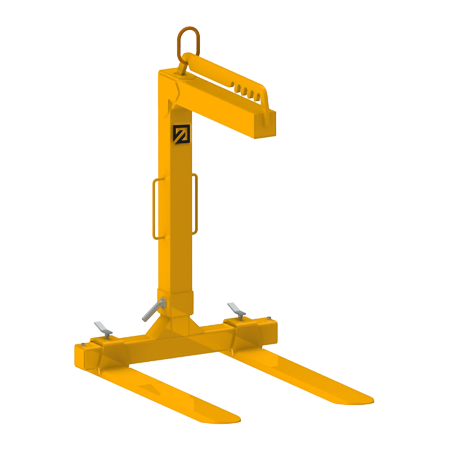
Fork FPB/G
Pallet fork with comb shaped arm to be actioned manually.

Fork FPC
Wallboard fork.

Fork FPA /AG
Self-balancing pallet forks.
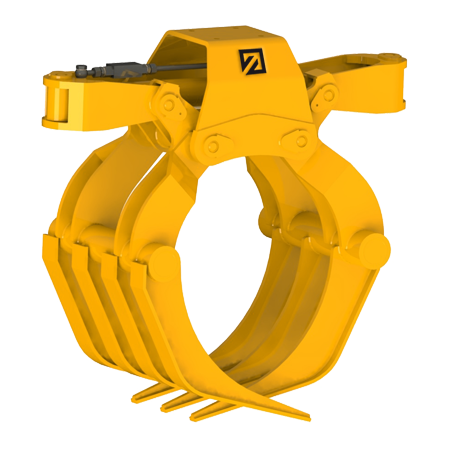
Grab FOTB S
Grab for agricultural works.
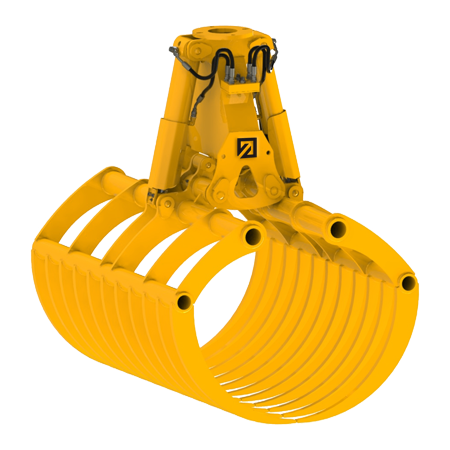
Grab FVTB 2
Grab for agricultural works.
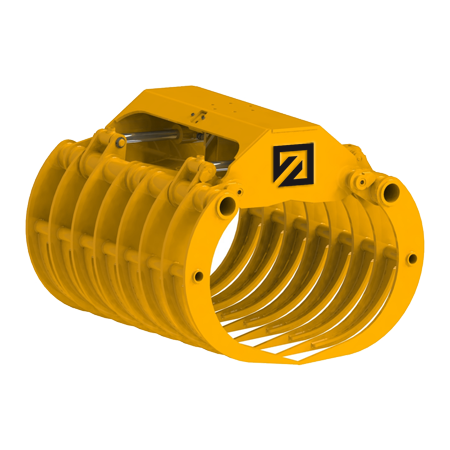
Grab FOTB 2
Grab for agricultural works.
Grab FVTB
Grab for agricultura works.
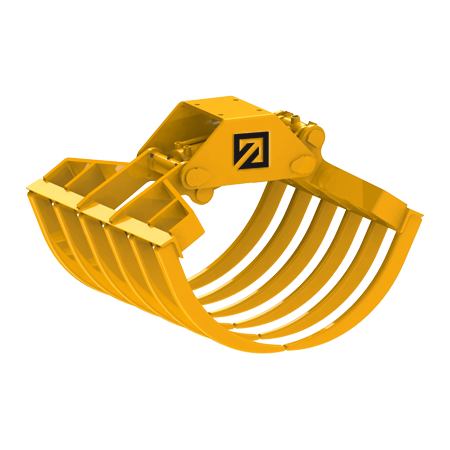
Grab FOTB
Grab for agricultural works.
 EMAIL
EMAIL CALL US